The Lada Niva has barely changed since 1977, and people still love it out of all proportion to its size. It once beat Land Rovers in the UK police 4x4 trials. It was sold abroad under odd names, the Cossack in Britain and, in Italy, with some bluntness, the Job. For a while something like four in ten of the 4x4s sold in Europe were Nivas. One even turned up in an Eighties Czechoslovak sci-fi series, doing the work of an Eastern Bloc Knight Rider.
Wanting to drive a Lada Niva had been sitting on the list for years, ever since the Land Rover years in Ethiopia when a beat-up one was almost the choice instead. So the moment it turned out you could actually rent one in Armenia, that was that, no real decision to make. And it delivered. Hundreds of kilometers over mountain roads, gorge edges, and switchbacks up to monasteries, and the tiny thing just kept going, cheerfully unbothered by any of it.
Everything I drove to over the next week had the same quality. It had outlasted the people who made it, and usually the country they made it in.


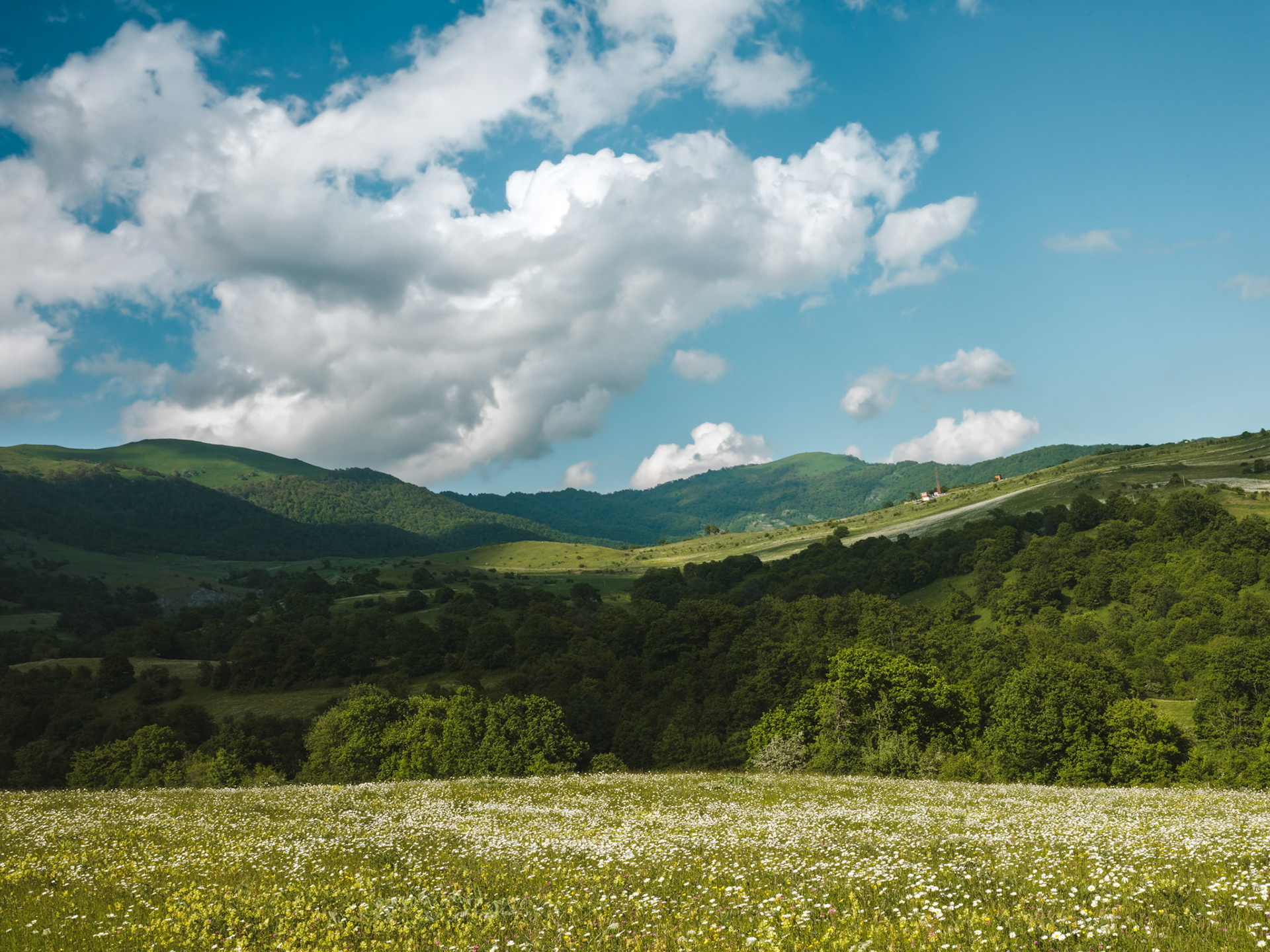


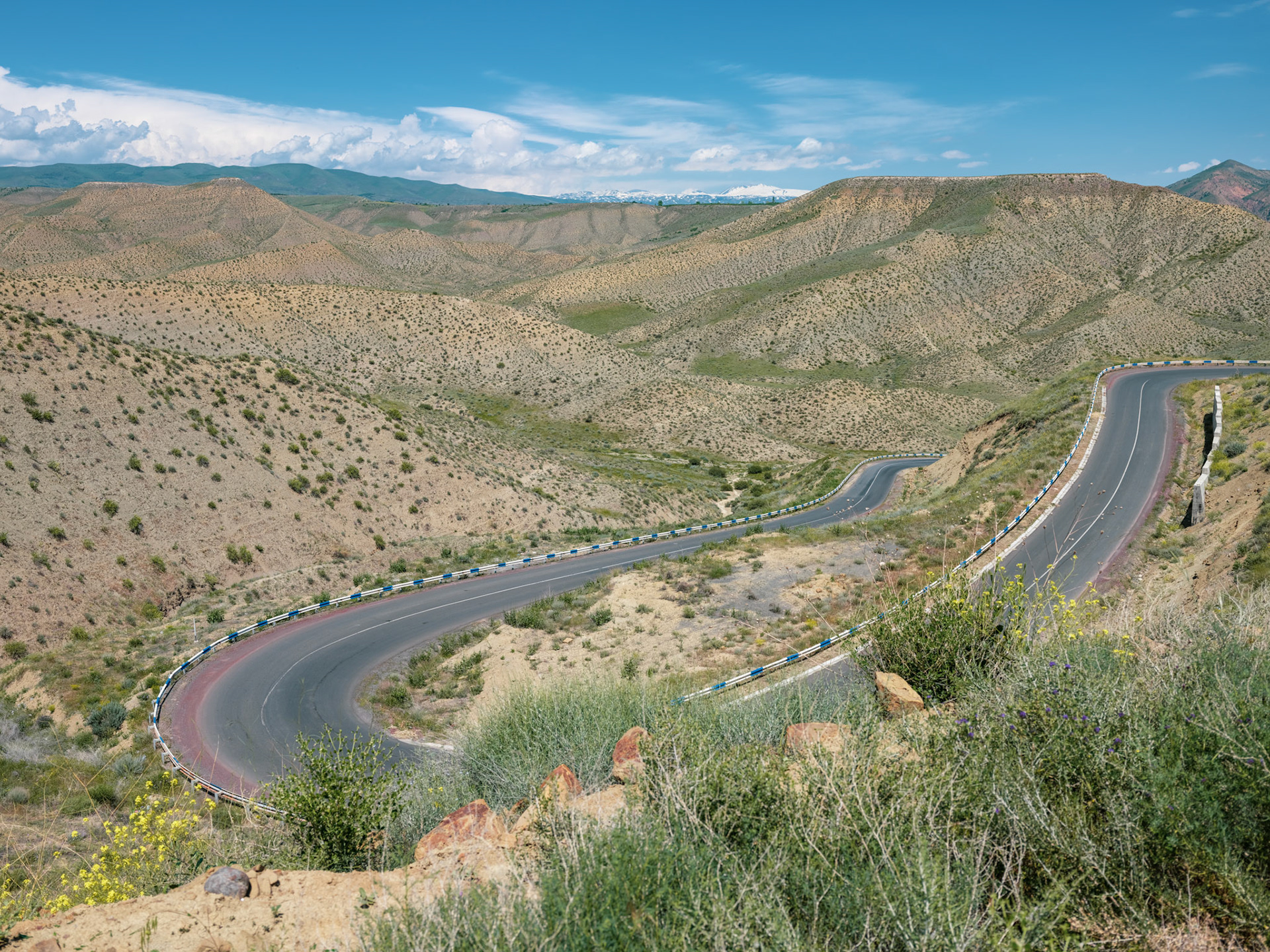


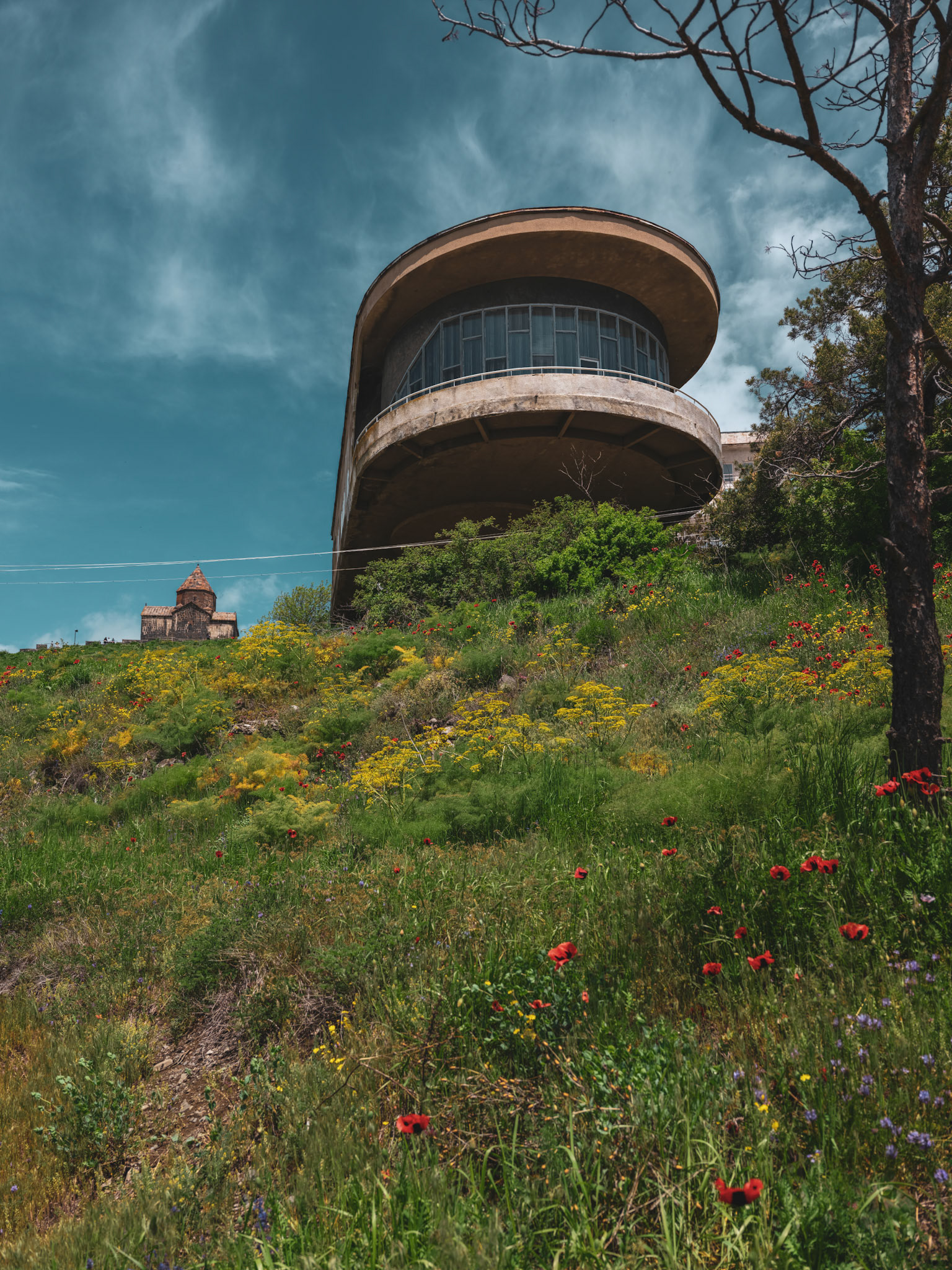
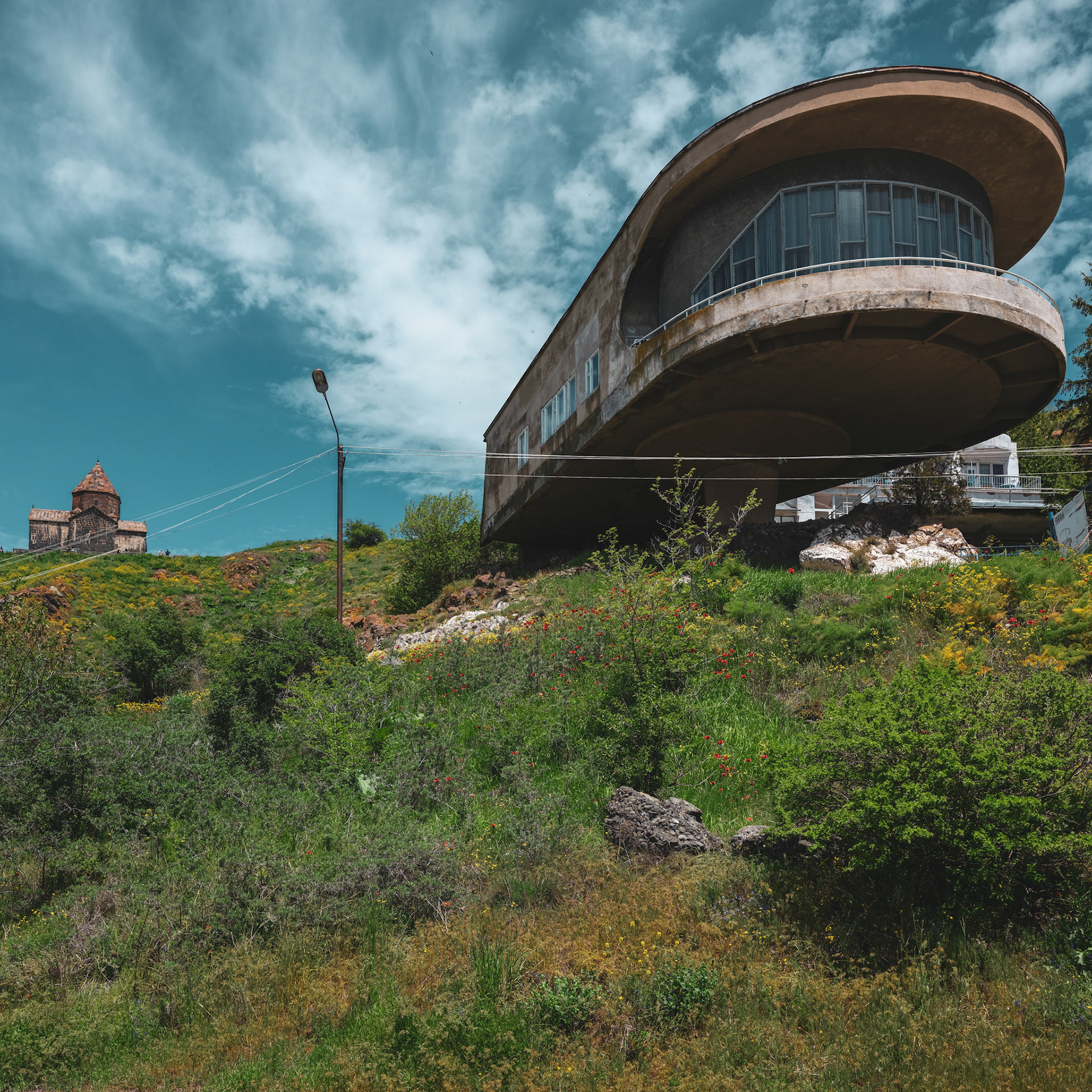
Landscapes that rival Switzerland in Dilijan


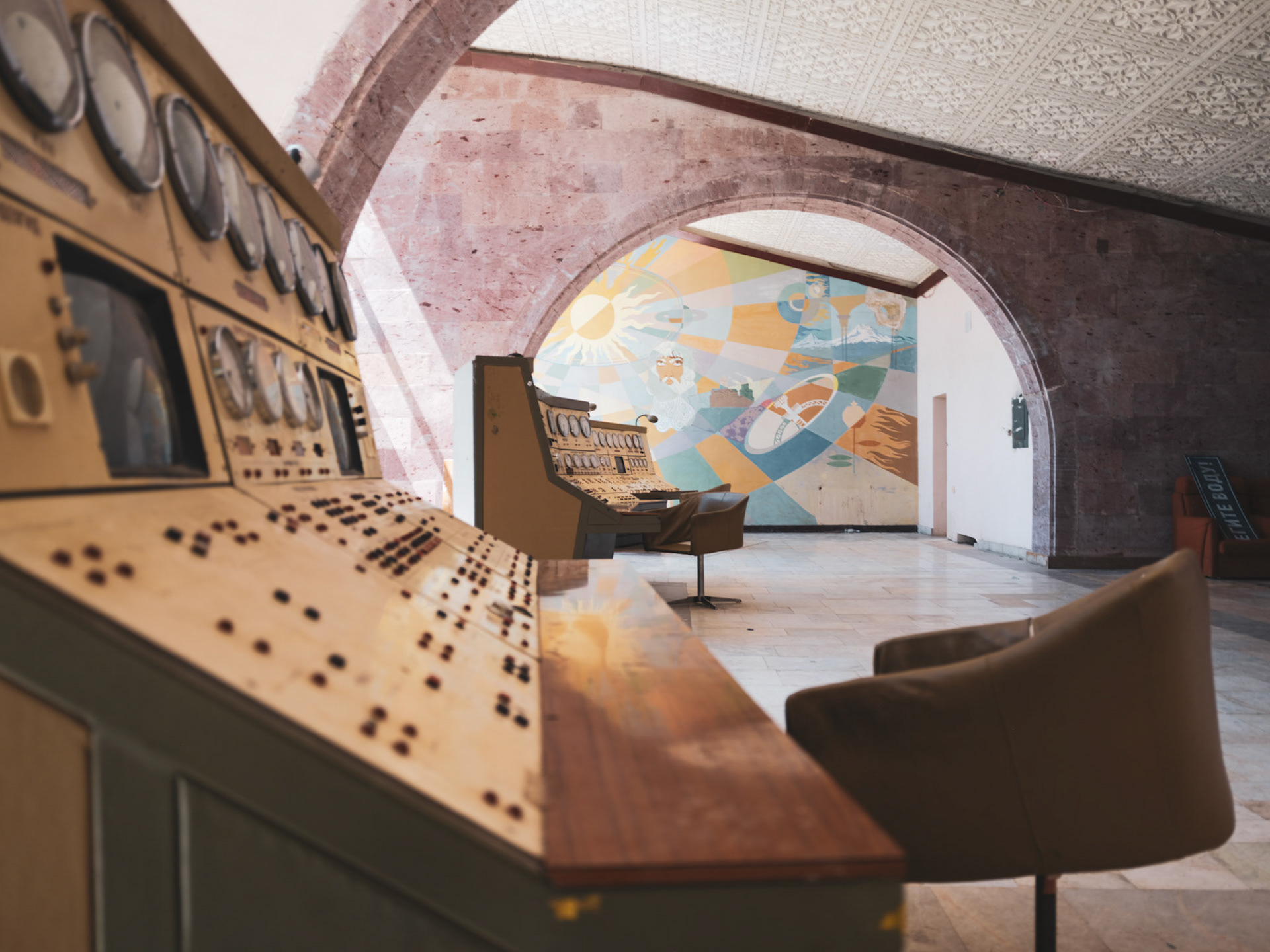


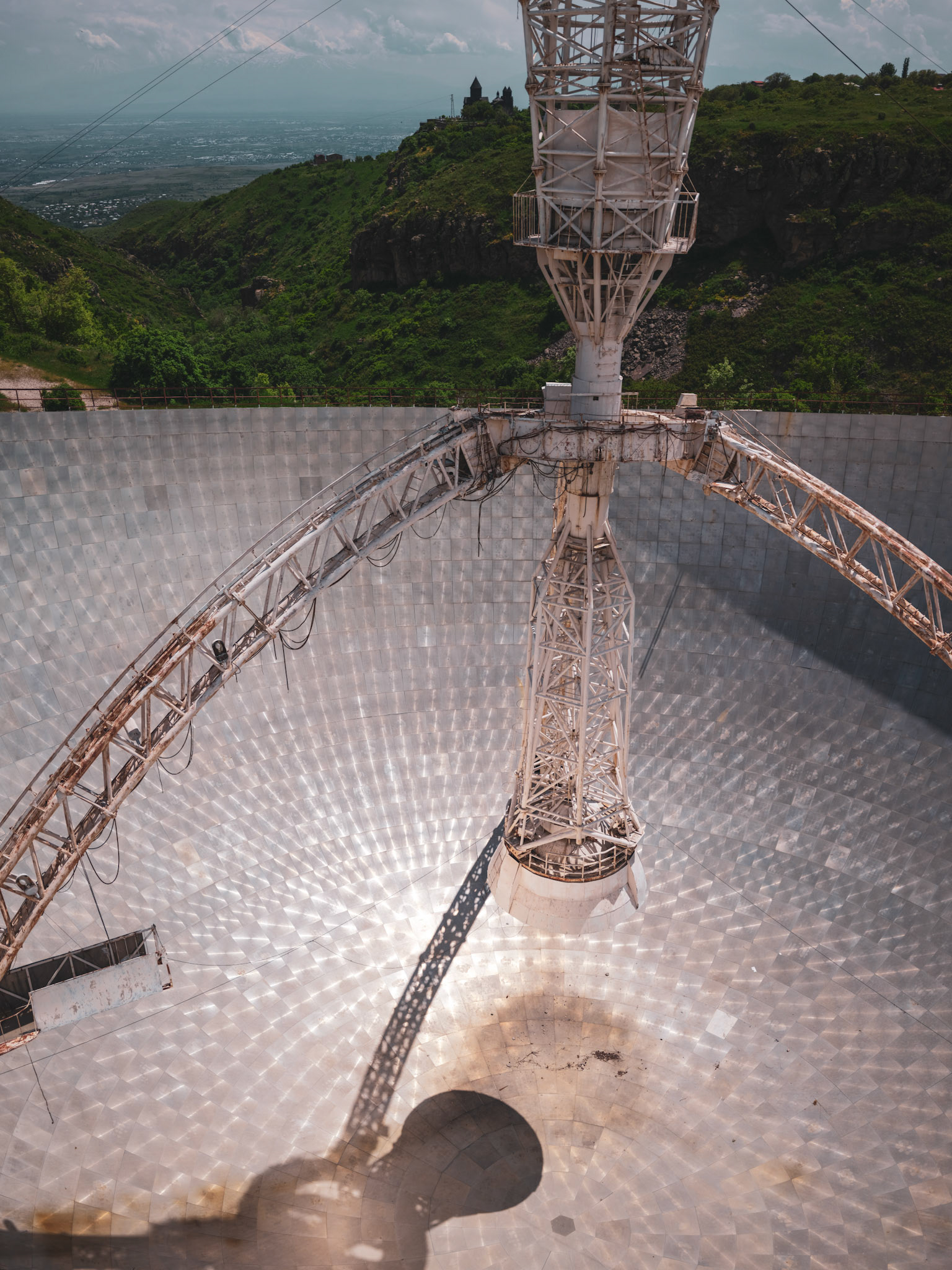


Two leftover pieces of Cold War ambition, both still standing more or less as the USSR left them.
Byurakan Observatory sits up on the slopes of Mount Aragats. Viktor Ambartsumian founded it in 1946, ten years after setting up the Soviet Union's first university department of astrophysics. For a long stretch of the last century, science in Armenia more or less meant Ambartsumian. Under him Byurakan held SETI conferences that brought foreign astrophysicists into a country otherwise sealed off from them. He is buried on the grounds.
The man running the place now took us through the control room himself, past doors that stay shut to most visitors, and let us stand close to the telescope.
Further along the same road is the Orgov radio telescope, a vast dish standing by itself in a field. The engineer Paris Herouni first pitched it in 1964 to Sergei Korolev, who ran the Soviet space programme. Korolev approved it and then died before any ground was broken. The money ran short and shrank his planned 200-metre mirror to 54, which is where the name ROT-54 comes from. When it finally switched on in 1986 it caught a radio flare from a star in Gemini within minutes. It came through the 1988 earthquake without a crack. The end of the Soviet Union was what finished it. Operations wound down around 1990, and the dish has sat empty on the hillside since.


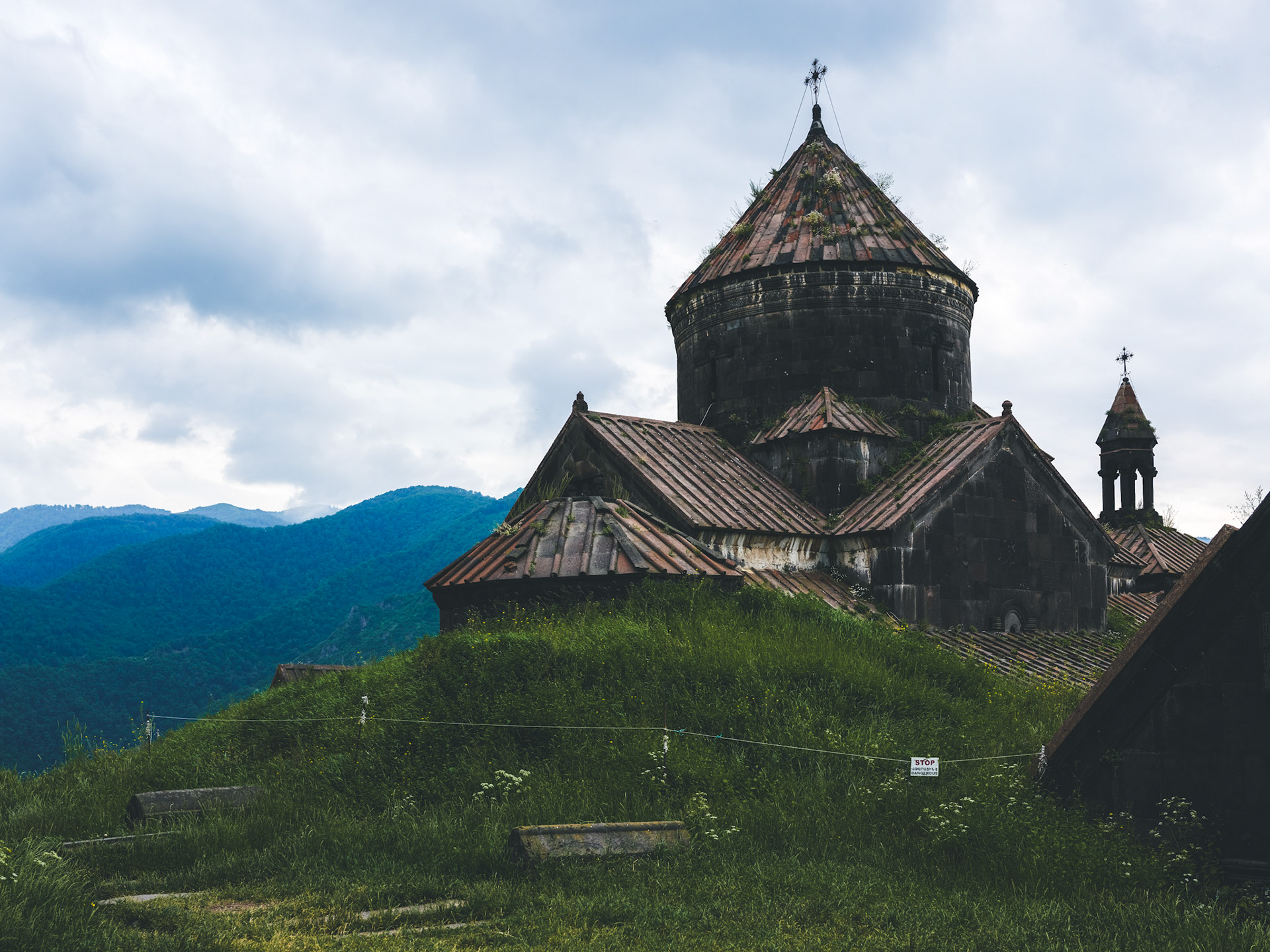
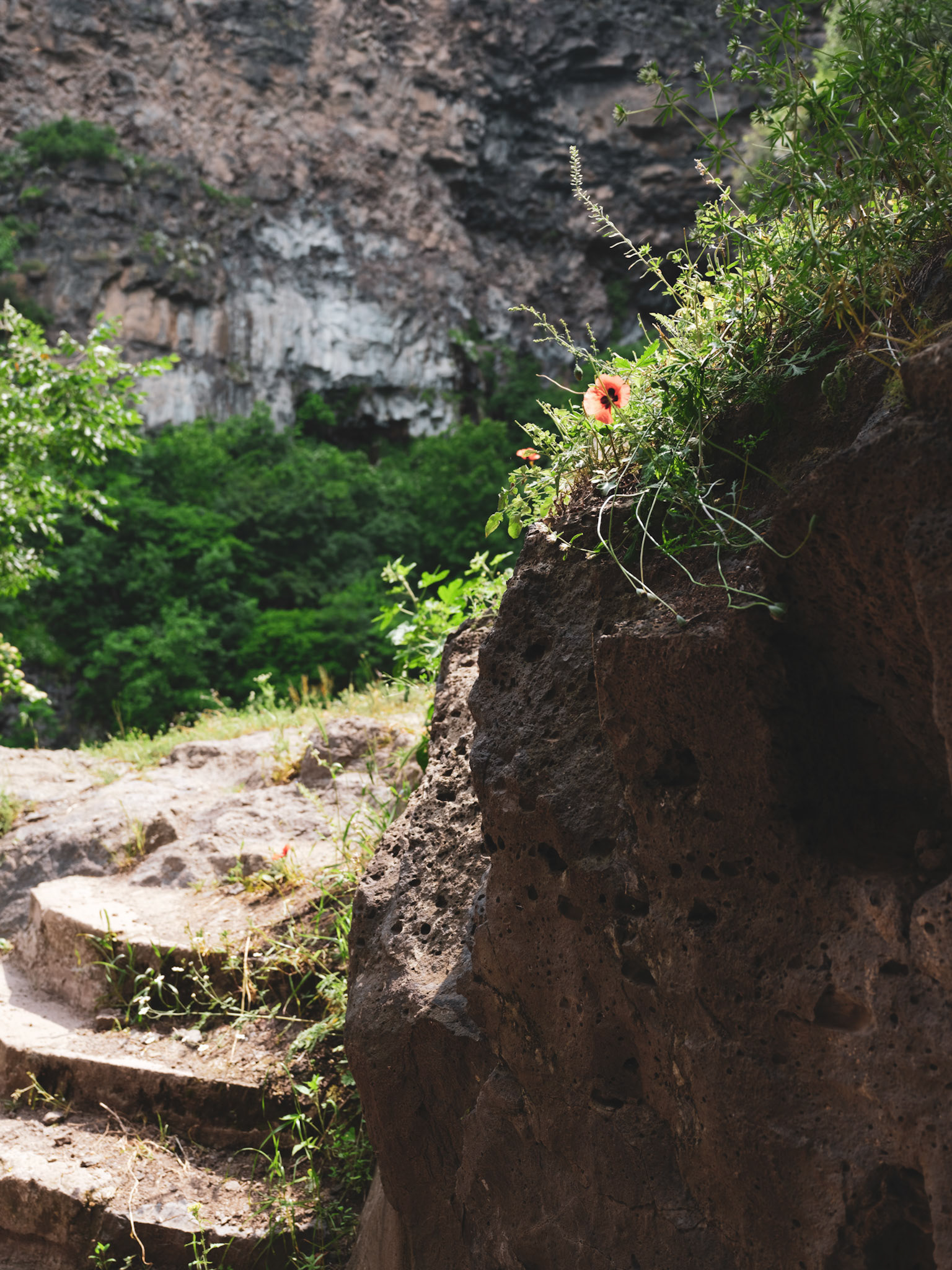


Armenia adopted Christianity as a state religion earlier than anywhere else on record, and the churches scattered across the country are older than most of the nations that currently exist. Geghard Monastery is carved, with chapels cut directly into the cliff and an echo inside them that makes even a short visit feel a little solemn.
Geghard was meant to be an easy walk. The map gave us almost nothing, so we guessed at a short flight of stairs and set off. What we got was a kilometre of backcountry, pushing through brambles and thorny hedge roses and then climbing a set of steep slippery grooves worn into the rock, medieval for all I could tell, with water dribbling down them from some spring. Near the top we came out onto two teenage boys mid-cigarette, tucked away for a quiet secret smoke, who looked up to find us crashing out of the undergrowth."
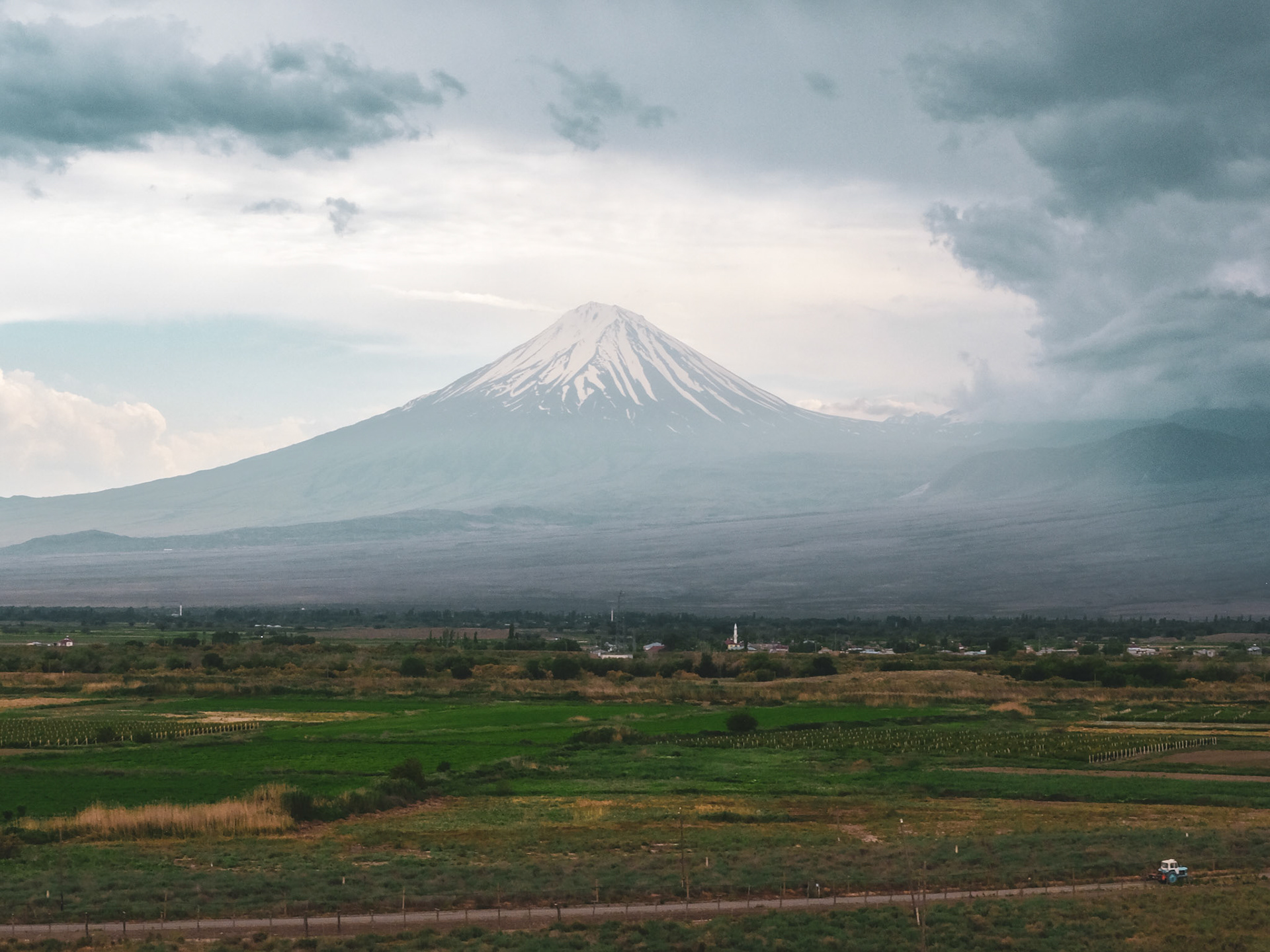
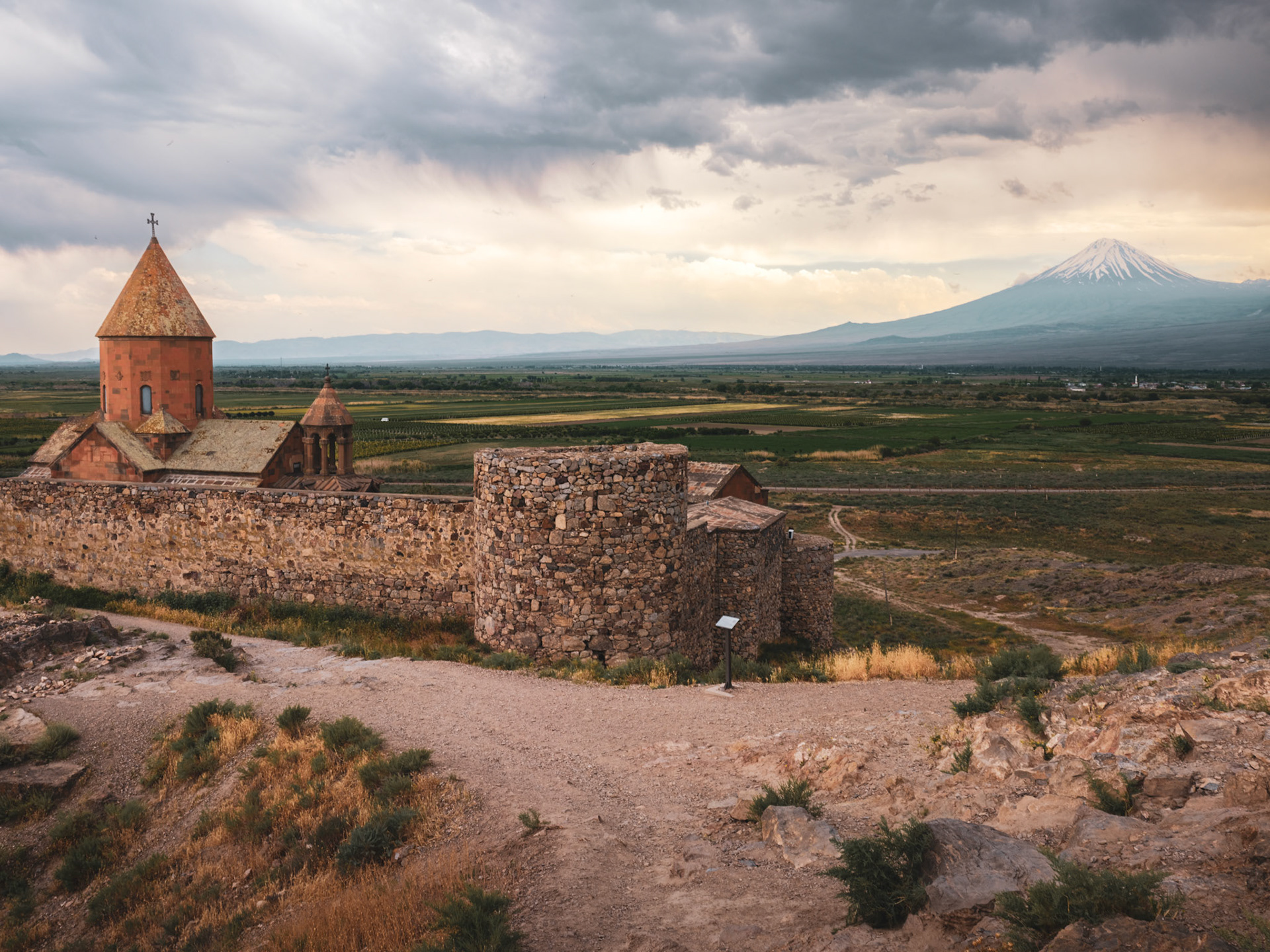
Khor Virap I had planned around the golden hour. I'd picked out a spot to catch Ararat standing up behind it in the last light, and the plan came to nothing. The cloud sat on the mountain the whole evening and never moved. The monastery is close to the sealed border with Turkey, built over the pit where Gregory the Illuminator is said to have been held for more than a decade before he converted the king.
Without the mountain behind it, the photos were a little flat.